
Inductee: 1925 Darby Hilldales (Baseball, Class of 2025)
In 1925, the most dominant baseball team in the world didn’t play in Yankee Stadium. They played at Hilldale Park in Darby, Pennsylvania. They were the Hilldale Club—often called the “Darby Daisies”—and they were a juggernaut of the Eastern Colored League that forced the white baseball establishment to look on in silent awe.
The Dominance by the Numbers: The 1925 Hilldales finished the season with a staggering .746 winning percentage (53-20-1 in league play). Their roster was a “Who’s Who” of Hall of Fame talent. They were led by third baseman Judy Johnson, who batted a blistering .378 that season, and the legendary catcher Biz Mackey, who hit .327 while being widely considered the best defensive catcher of any race. On the mound, they featured Nip Winters, a left-handed ace who went 17-6 with a 2.56 ERA.
The Anecdote: The World Series Revenge The 1925 season was a mission of redemption. The year prior, the Hilldales had lost a heartbreaking inaugural Negro League World Series to the Kansas City Monarchs. In ’25, they met the Monarchs again. The series was a brutal, cross-country affair. In the deciding Game 6, the Hilldales didn’t just win; they exerted their will, clinching the title and proving that Philadelphia was the epicenter of Black baseball excellence.
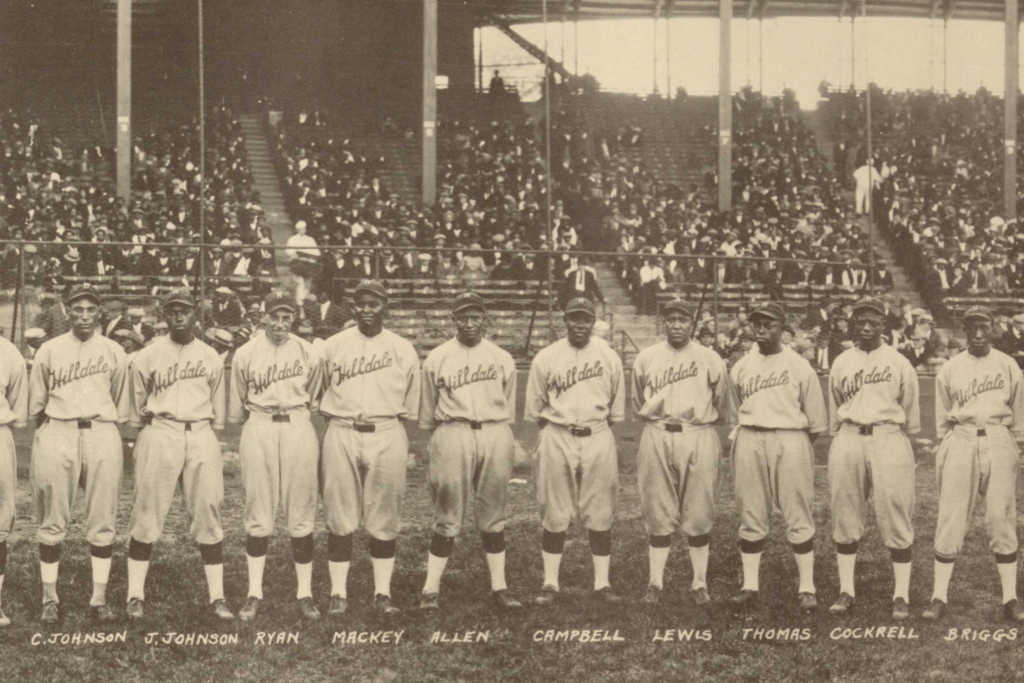
The Historical Context: To support the Hilldales in 1925 was an act of community pride. In an era of segregation, the “Daisies” were a symbol of Black economic and athletic power. Owner Ed Bolden was a pioneer who proved that a Black-owned sports franchise could be a commercial and athletic success.
The Philly Connection: We often talk about the “Whiz Kids” of 1950 or the “Cardiac Kids” of 1980, but the 1925 Hilldales were the original Philly dynasty. They played with a “small ball” precision—aggressive baserunning, elite defense, and clutch pitching—that would define Philadelphia baseball for a century. Including them in the Hall isn’t just a nod to the past; it’s a correction of history.
Trackbacks/Pingbacks